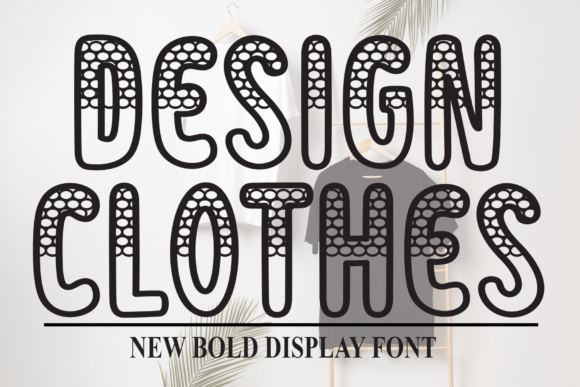
Design Clothes: A Sweet Handwritten Display Font for Crafters and Sellers
As a creator who spends hours designing printable templates, cutting vinyl for custom signs, and printing product labels, I know that typography is often the difference between a design that feels amateur and one that sells. The right typeface sets the tone before a customer even reads the text. For projects that need to feel personal, warm, and inviting, Design Clothes has become a staple in my creative toolkit. This sweet and friendly handwritten display font brings a distinct charm to any project, making it an excellent choice for handmade sellers, stationery designers, and digital product creators.
When you are crafting physical products like wedding invitations, greeting cards, or boutique tags, the visual personality of your fonts matters just as much as the imagery. Design Clothes offers a cute and creative aesthetic that instantly adds a fun touch to your work. It is not just another generic script; it has a specific character that resonates with customers looking for something authentic and approachable. Whether you are using Cricut or Silhouette machines to create SVG-style designs or working in Adobe Illustrator for high-resolution printables, this font helps bridge the gap between professional design and heartfelt craftsmanship.
Why Design Clothes Fits the Modern Maker’s Brand
In the world of handmade goods and digital downloads, brand consistency is key. Customers often buy based on the "vibe" of the shop. If your brand identity is cozy, rustic, or whimsical, a harsh, geometric sans serif font might clash with your product photography. Design Clothes acts as a perfect companion to soft, pastel color palettes and natural textures. Its handwritten style mimics the human touch, which is exactly what buyers seek when purchasing from small businesses rather than mass-market retailers.
This display font is particularly effective for short phrases, names, titles, and decorative wording. Because it is a display typeface, it is designed to be read at larger sizes or used as a focal point. Using it for long paragraphs of body text can lead to readability issues, but when used strategically for headlines, it captures attention immediately. Imagine a set of candle labels where the scent name is written in Design Clothes against a kraft paper background. The contrast creates an immediate emotional connection, suggesting that the product was made with care.
Practical Applications for Physical Products
The versatility of Design Clothes extends across a wide range of craft projects. Here are some practical ways I have integrated this font into my own product lines:
- Wedding Stationery: For save-the-dates or wedding welcome boards, this font provides a romantic yet playful feel. It pairs beautifully with floral illustrations and watercolor elements, adding a layer of elegance without being overly formal.
- Product Labels and Stickers: When creating stickers for soaps, bath bombs, or homemade jams, legibility is crucial. Design Clothes works well for the main product name. However, ensure you leave enough space around the letters so the details do not get lost on smaller sticker sizes.
- Seasonal Decor: From farmhouse-style Christmas signs to spring-themed planner covers, the font’s friendly nature fits almost any holiday theme. It adds a pop of personality to seasonal craft designs without feeling dated.
- Mugs and Apparel: For sublimation designs on mugs, tote bags, or shirts, this font stands out clearly. It translates well to fabric and ceramic surfaces, maintaining its curves and charm even when stretched or curved along the edge of a mug.
For digital creators, Design Clothes is equally valuable. It can be used in social media graphics to announce new drops, in web design headers for boutique online stores, or as a primary element in printable wall art. The font’s clean lines make it easy to manipulate, allowing you to rotate, curve, or layer it creatively while still keeping it recognizable.
Readability and Production Tips
While Design Clothes is charming, there are technical considerations to keep in mind, especially if you are preparing files for commercial use. One common mistake creators make is placing handwritten fonts too close together. To maintain the font’s attractive quality, always check your kerning (the spacing between individual characters). Tight spacing can cause the letters to merge, making the text hard to read, which negatively impacts perceived quality.
If you are cutting vinyl for signs, remember that thinner strokes in handwritten fonts can sometimes break during the weeding process. Test your designs by scaling them down to see how they look in miniature form. This is especially important for small product labels or jewelry tags. Additionally, when exporting for print, ensure you convert all text to outlines or paths. This prevents font substitution errors and ensures that your design looks exactly the same on every computer and printer.
Another critical aspect of production is file format. Always keep your source files editable. While final exports should be high-resolution PNGs or PDFs for clarity, having the original vector file allows you to adjust colors or sizes later without losing quality. This flexibility is essential for managing inventory and fulfilling custom orders efficiently.
Strategic Font Pairing Ideas
No single font does everything. To create a balanced and professional layout, pair Design Clothes with a contrasting typeface. Since Design Clothes is a creative and expressive handwritten font, it pairs exceptionally well with a clean sans serif font for body text or secondary information. The simplicity of the sans serif balances the whimsy of the display font, creating a hierarchy that guides the viewer’s eye.
Alternatively, you can experiment with pairing it with a simple serif font. This combination works well for more traditional or vintage-inspired designs, such as antique-style recipe cards or classic wedding programs. Just avoid pairing it with other busy script fonts, as this can create visual clutter and reduce readability. The goal is to let Design Clothes shine as the star while supporting fonts provide structure and clarity.
Licensing and Commercial Use
For those of us selling our creations, understanding licensing is non-negotiable. Before using Design Clothes in any commercial capacity, you must review the specific license agreement provided by the font creator. Most premium fonts allow for commercial use in physical products, meaning you can sell items printed with the font. However, there are usually restrictions on redistributing the font file itself. You cannot include the .otf or .ttf file in your digital download packages, nor can you sell the font as a standalone asset.
Always verify if the license covers unlimited sales or if there are caps on the number of end products. Some licenses also distinguish between digital downloads (like printable planners) and physical merchandise. By adhering to these guidelines, you protect your business from legal issues and support the designers who create these beautiful tools. Investing in a proper commercial license ensures that your work is legitimate, professional, and safe to sell on platforms like Etsy, Amazon Handmade, or your own website.
In summary, Design Clothes is more than just a pretty typeface; it is a functional tool that enhances the emotional appeal of your crafts. By using it thoughtfully in your invitations, labels, and digital assets, you create a cohesive brand experience that customers love. Take the time to explore its styles, test its readability in your specific applications, and watch your designs come to life with warmth and creativity.