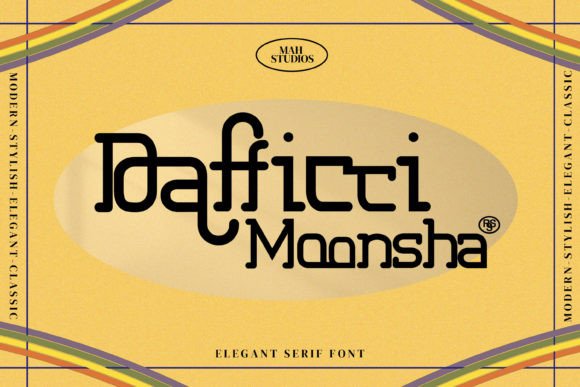
Dafficci Moonsha: The Modern Display Typeface for Handmade Brands
I was sitting at my desk last Tuesday, surrounded by a chaotic spread of wax samples, ribbon swatches, and half-printed labels. I had just finished pouring a batch of lavender-honey soy candles, but the packaging felt... flat. It lacked that spark of personality that makes a customer stop scrolling on Etsy or pause in a boutique aisle. I needed something to bridge the gap between the rustic warmth of the candle and the modern aesthetic of my brand. That is when I pulled up Dafficci Moonsha. As soon as I typed out the product name, the entire design shifted. It wasn’t just text; it was an attitude.
If you are a crafter, printable creator, or handmade seller looking to elevate your visual identity, understanding how a display font can transform your products is essential. Dafficci Moonsha is not just another typeface; it is a stylish and modern display font that brings immediate confidence to any project. Whether you are designing digital downloads, cutting vinyl for mugs, or printing high-end stationery, this font offers a unique blend of charm and clarity that resonates with today’s consumers.
Why Visual Personality Matters in Product Design
In the world of handmade goods and digital printables, your typography is often the first thing a potential buyer notices. Before they see the color palette or the illustration style, they read your words. This is where the choice of a premium font becomes a critical business decision. A generic sans serif might be readable, but it rarely evokes emotion. Conversely, overly ornate scripts can become illegible at small sizes.
Dafficci Moonsha strikes a perfect balance. Its visual personality is contemporary yet inviting. When I applied it to my candle labels, it didn’t scream for attention; it whispered with sophistication. This subtle appeal is crucial for perceived quality. Customers often associate clean, well-chosen typography with higher production values. By using a creative font like Moonsha, you signal that you care about the details, which builds trust and encourages engagement. It transforms a simple jar of wax into a curated lifestyle product.
Real-World Applications for Makers and Sellers
The versatility of Dafficci Moonsha allows it to shine across various mediums, from physical merchandise to digital assets. Here is how I have seen it come to life in real crafting scenarios:
- Candle and Soap Labels: For artisanal beauty products, you want a look that feels organic but polished. Moonsha’s modern lines work beautifully on kraft paper labels or glossy sticker sheets. It handles short phrases like "Hand Poured" or "Lavender & Sage" with elegance, ensuring the ingredient list remains secondary but still legible.
- Greeting Cards and Invitations: When designing wedding invitations or birthday cards, the headline needs to pop. Using Moonsha for the recipient’s name or the event title adds a touch of editorial flair. Because it is a display font, it works best for titles rather than body text, allowing you to pair it with a simpler font for the finer details.
- Printable Wall Art and Planners: If you sell digital downloads, your preview images are everything. Mockups featuring Dafficci Moonsha look crisp and professional. I used it for a set of minimalist motivational prints, and the clean geometry of the letters complemented the negative space perfectly, making the art feel balanced and intentional.
- Boutique Tags and Packaging: Small product tags on tote bags or shirts require fonts that remain readable even when scaled down. Moonsha’s distinct character shapes ensure that your brand name stands out without blurring or losing definition on tiny fabric tags.
Optimizing for Cutting Machines and Small Formats
For those of us who use Cricut or Silhouette machines to create vinyl decals, stickers, or iron-on transfers, readability is paramount. When creating designs for mugs, tumblers, or phone cases, you need a typeface that holds its shape. Dafficci Moonsha is excellent for this because its glyphs are well-proportioned. However, remember that as a display font, it is designed for impact, not density. Avoid using it for long paragraphs of text on a single sticker sheet. Instead, reserve it for impactful slogans, names, or decorative wording. This approach ensures that your cut files are clean and easy to weed, saving you time during production.
Mastering Font Pairing and Hierarchy
No display font exists in isolation. To create a cohesive brand identity, you must understand how to pair Dafficci Moonsha with other typefaces. The key is contrast. Since Moonsha has a strong modern presence, it pairs exceptionally well with a clean sans serif font for body copy. This combination creates a hierarchy that guides the viewer’s eye naturally from the headline to the information.
For example, in my recent seasonal shop items, I paired Moonsha with a simple, lightweight sans serif. The Moonsha handled the festive headlines, while the sans serif provided clear instructions for care labels or product descriptions. You might also experiment with pairing it with a delicate script font if you want to add a touch of femininity or tradition, though this requires careful spacing to avoid visual clutter. Always test your combinations in grayscale first to ensure there is enough contrast between the two styles.
Leveraging Glyphs and Ligatures
One of the standout features of Dafficci Moonsha is that it is PUA encoded, meaning you have access to all its special glyphs and ligatures. This is a game-changer for designers who want to add custom touches without hiring a calligrapher. Ligatures can smooth out awkward letter combinations, giving your text a more professional and customized look. For instance, if you are spelling out a word like "Moonsha" itself, engaging the alternate characters can create a unique logo-like effect. These small details contribute significantly to the overall polish of your design assets, whether they are social media graphics, web banners, or physical packaging.
Practical Tips for Implementation
To get the most out of this typeface, keep these practical tips in mind during your design process:
- Check Included Styles: Before you start designing, explore the full file. Look for different weights, swashes, and alternates. Having a range of options allows you to create visual interest within a single design without introducing too many conflicting fonts.
- Consider Multilingual Support: If you plan to sell internationally or include quotes in multiple languages, verify the font’s multilingual support. Ensuring your accents and special characters render correctly maintains the integrity of your brand across all markets.
- Review Licensing Carefully: As a commercial seller, you must adhere to font licensing agreements. Check whether the license covers physical products (like printed labels) and digital downloads. Some fonts allow unlimited commercial use, while others may require specific licenses for merchandise. Understanding these terms protects your business and respects the designer’s work.
- Test at Print Size: Always view your design at 100% scale before exporting. What looks good on a large monitor might become blurry or cramped on a small product tag. Zoom in to check the kerning and ensure that the spaces between letters remain consistent.
Ultimately, choosing the right font is about solving a design problem while expressing your brand’s voice. Dafficci Moonsha offers a reliable, stylish solution for makers who want their products to stand out in a crowded marketplace. By integrating it thoughtfully into your labels, cards, and digital templates, you create a consistent and appealing brand experience that customers recognize and appreciate. Whether you are launching a new line of planners or refreshing your existing shop branding, this modern display font provides the creative boost you need to turn simple projects into memorable products.