Bobby Brown: A Vintage Serif Font for Handmade Branding
I was staring at a blank Canva canvas, trying to figure out why my latest batch of soy candle labels felt "off." The wax smelled perfect, the jar was sleek, but the typography just didn't match the cozy, nostalgic vibe I was going for. I had tried clean modern sans serifs, but they felt too clinical. I tried flowing scripts, but they were hard to read on small jars. Then, I remembered Bobby Brown. It’s a display font that feels playfully nostalgic, delivering an incredible vintage aesthetic without looking like a cliché retro clipart. I dropped it in, resized it, and suddenly, the whole design clicked.
If you are a crafter, handmade seller, or printable creator, you know that typography is often the difference between a product that looks amateur and one that looks professional. Bobby Brown is not just another typeface; it is a mood setter. It brings warmth, personality, and a touch of old-school charm to any design idea you can think of. Whether you are designing wedding invitations, boutique tags, or digital downloads, this serif font adds that special retro touch that makes customers pause their scroll.
The Visual Personality of Bobby Brown
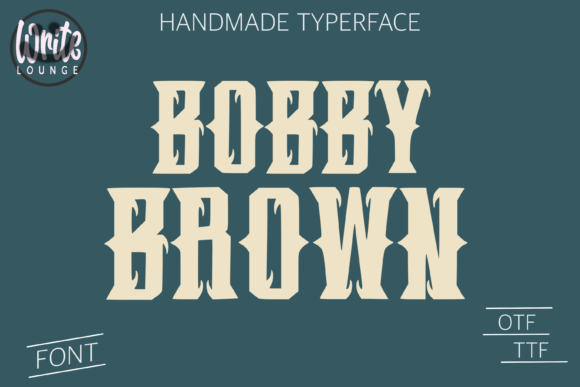
What makes Bobby Brown stand out in the crowded world of fonts is its character. It is a serif font, which immediately lends itself to tradition and reliability, but the serifs themselves have a playful, slightly irregular quality. This isn’t stiff, corporate lettering. It feels hand-carved or stamped, even though it is digital. When you use it, you aren’t just adding text; you are adding texture and history to your brand identity.
This font shines brightest when used as a display font. Display fonts are designed to be seen from a distance or at larger sizes, making them perfect for headlines, logos, and main titles. Bobby Brown has enough weight and definition to hold its own against busy backgrounds, yet it remains elegant. It bridges the gap between rustic farmhouse style and mid-century modern chic. For makers who sell seasonal products—like holiday tags, autumn wreath designs, or winter wonderland printables—this font provides a consistent thread of warmth that ties your shop together.
Real-World Applications for Makers and Sellers
Let’s talk about how this actually looks on your products. I recently used Bobby Brown for a set of printable wall art intended for a nursery. The goal was to create something that looked like it belonged in a grandmother’s cottage but still fit in a modern home. By using Bobby Brown for the main quote and pairing it with a simple sans serif font for the smaller details, the piece felt balanced. The serif font drew the eye, while the clean secondary font provided readability.
Here are a few specific ways I have seen this typeface elevate handmade goods:
- Candle and Soap Labels: On small packaging space, every pixel counts. Bobby Brown’s distinct shapes make short words like "Lavender" or "Citrus" pop without needing heavy outlines or shadows. It looks expensive and curated.
- Greeting Cards and Stationery: For birthdays, weddings, or thank-you notes, the playful nostalgia of Bobby Brown feels personal and heartfelt. It mimics the feel of a handwritten note without the inconsistency of actual handwriting.
- Tote Bags and T-Shirts: When cutting vinyl with Cricut or Silhouette machines, bold display fonts render beautifully. Bobby Brown holds up well on fabric, creating a statement piece that customers are proud to wear or carry.
- Planner Pages and Digital Templates: For those selling digital downloads, the font’s clarity ensures that headers in planners or journals are easy to scan. It adds structure to your digital assets while keeping the tone friendly.
- Boutique Tags and Packaging: Small hang tags benefit from the elegance of a serif. It signals to the customer that the item inside is a gift-worthy product, increasing the perceived value of your handmade goods.
Font Pairing and Readability Tips
One of the biggest mistakes new sellers make is using only one font for everything. While Bobby Brown is stunning, it is best suited for short phrases, names, titles, and decorative wording. Using it for long paragraphs of text can be tiring for the reader because of its stylistic flair. To create a cohesive look, pair Bobby Brown with a clean sans serif font for body text. This contrast creates visual interest and ensures that your instructions, descriptions, or secondary messages remain legible.
For example, if you are designing a wedding invitation suite, use Bobby Brown for the couple’s names and the event title. Then, switch to a simple, light sans serif for the date, time, and venue details. This hierarchy guides the guest’s eye naturally through the information. Similarly, for product listings on Etsy or your own website, use Bobby Brown for the product name in your mockup images, but keep the bullet points in a neutral font so customers can quickly digest the features.
When preparing files for physical merchandise like mugs, signs, or stickers, always check the resolution and size. Because Bobby Brown is a display font, it may lose detail if scaled down too small. Test your designs by printing a draft on regular paper before committing to expensive materials. If you are creating SVG files for cutters, ensure that all text is properly outlined or converted to paths to avoid font substitution errors on different computers.
Commercial Licensing and File Formats
Before you start slapping Bobby Brown on your next batch of tote bags, it is crucial to understand the licensing terms. As a commercial font, it allows you to use the typeface in products you sell, but you must adhere to the specific rules set by the foundry. Some licenses allow unlimited physical sales, while others may require a separate license for digital downloads or web usage. Always read the fine print to protect your business.
Check what styles are included in your purchase. Does the font come with alternates, ligatures, or swashes? These extra characters can add unique flourishes to your logo design or editorial design projects. For instance, a special "B" or "Brown" alternate might give your brand mark a custom feel that stands out in social media graphics. Also, verify the file formats available. Having both OTF and TTF versions ensures compatibility with various design software, whether you are using Adobe Illustrator, Photoshop, or free online tools.
Why Typography Matters for Your Shop
In the handmade market, aesthetics drive decisions. Customers cannot touch or smell your product online; they rely entirely on visuals. Your choice of typography communicates your brand’s personality before they even read the description. A font like Bobby Brown tells a story of craftsmanship, nostalgia, and care. It suggests that you pay attention to details, which builds trust and encourages repeat purchases.
By integrating thoughtful typography into your branding, you move away from looking like a hobbyist and toward looking like a established business owner. You create a memorable experience that resonates with your audience. Whether you are updating your shop banner, redesigning your packaging, or launching a new line of printables, giving Bobby Brown a try might be the creative spark your project needs. It is versatile, charming, and undeniably effective for anyone looking to add a vintage soul to their modern creations.